

square mirror with lights
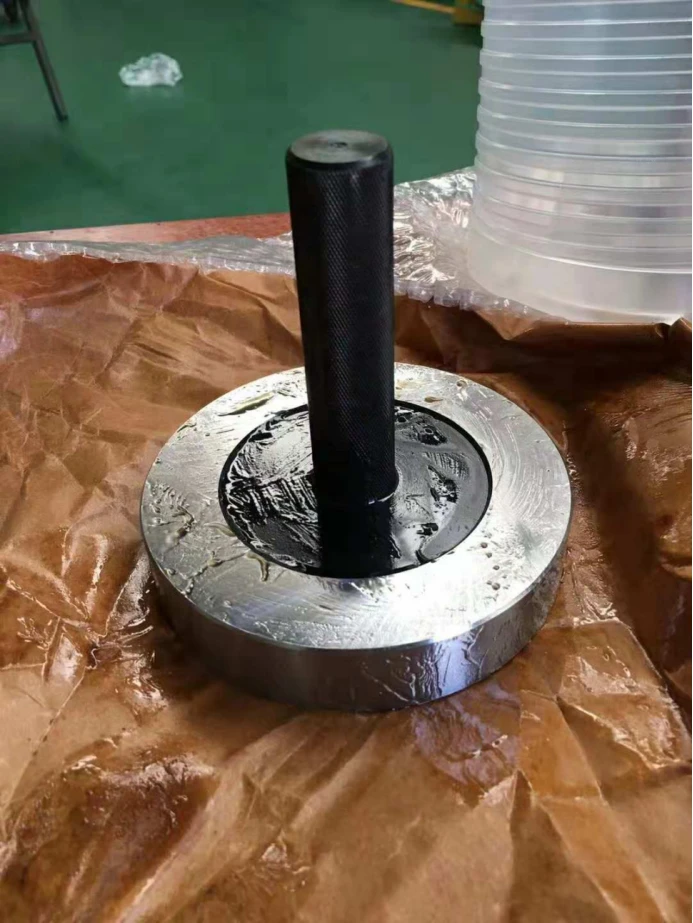
The Importance of Taper Plug Gauges in Precision Measurement In the realm of engineering and manufacturing, precision is paramount. Components must fit together perfectly to ensure the functionality and longevity of machines and products. One of the critical tools used in this quest for accuracy is the taper plug gauge. This article will explore what taper plug gauges are, how they are used, and why they are vital in various industries. Understanding Taper Plug Gauges A taper plug gauge is a precision measuring instrument designed to check the dimensional accuracy of tapered holes in various components. Typically made of high-grade steel, these gauges feature a tapered shape that corresponds to the specifications of the hole being checked. The gauge is inserted into the hole, and the fit—or lack thereof—indicates whether the hole is within tolerance limits. Taper plug gauges come in various sizes and taper angles, and they may be categorized as either go or no-go gauges. A “go” gauge must fit into the hole if the component is made correctly, while a “no-go” gauge must not fit. This binary testing method is straightforward and effective, providing a quick assessment of a component's dimensional integrity. Applications in Various Industries Taper plug gauges are widely used across several sectors, including aerospace, automotive, and manufacturing. In the aerospace industry, for example, the precise fit of components is essential for safety and performance. Tapered holes often accommodate fastening systems, and any deviations from specified dimensions could lead to catastrophic failures. Thus, taper plug gauges are an integral part of quality assurance processes. taper plug gauge is used for checking In the automotive sector, these gauges are used to ensure that engine components, transmission systems, and other crucial parts meet stringent specifications. Given the high-performance nature of automotive applications, any miscalculation can result in reduced efficiency or, worse, accidents. Taper plug gauges help manufacturers maintain high standards of quality. In manufacturing settings, taper plug gauges facilitate the mass production of parts that must all adhere to exact specifications. When working with molds and dies, for example, a taper plug gauge can quickly determine if the manufactured items meet the required tolerances. Ensuring Quality Control The use of taper plug gauges is part of a broader quality control strategy that includes various measuring tools and techniques. Regular inspection of components using these gauges ensures compliance with industry standards and specifications. Any deviations can prompt corrective actions, whether that involves adjusting the manufacturing process or re-evaluating the design. Moreover, taper plug gauges contribute to cost-effectiveness. By minimizing the risk of defective parts, manufacturers can reduce waste and downtime, ultimately enhancing productivity. Investing in high-quality taper plug gauges can yield significant returns through improved efficiency and reliability. Conclusion In summary, taper plug gauges are indispensable instruments in the field of precision measurement. Their ability to quickly and accurately assess the dimensions of tapered holes ensures that components fit together correctly, aiding in the overall quality control process. Whether in aerospace, automotive, or manufacturing, the role of these gauges cannot be overstated. As industries continue to evolve and demand higher standards, the importance of reliable measuring tools like taper plug gauges will only grow. By utilizing such gauges, companies not only adhere to stringent requirements but also foster innovation and excellence in production practices.
about
square mirror with lights
Understanding the Square Knife Gate Valve Knife gate valves are essential components in various industrial applications, particularly in the handling of slurries and top-heavy media that often contain solid particulates. Among the various designs of knife gate valves, the square knife gate valve stands out for its efficiency and reliability in specific operational contexts. Design and Structure A square knife gate valve features a rectangular disc or blade that operates by sliding through an opening within the valve body. Unlike traditional round gate valves, the square design provides a larger contact area with the flow, which enhances sealing capabilities and reduces the risk of leakage. This shape also allows for a more effective shearing action when managing slurries, which is crucial for maintaining pipeline integrity. The valve body is generally made from robust materials such as cast iron, stainless steel, or a composite material, depending on the application and environmental conditions. The blade, often featuring a sharpened edge, can efficiently cut through the media while minimizing wear over time. Additionally, the square knife gate valve typically incorporates a variety of packing and sealing materials to ensure optimal performance under different pressure and temperature conditions. Benefits and Applications square knife gate valve The square knife gate valve is particularly advantageous in industries such as mining, wastewater treatment, and power generation. The ability to handle thick, viscous fluids laden with solids makes it ideal for these environments. In mining, for instance, it can control the flow of slurry in mineral extraction processes. In wastewater treatment facilities, it allows for the effective management of sludge and other thick liquids, ensuring smooth operation and maintenance of flow systems. Moreover, the square knife gate valve is designed for straightforward actuation, which can be manual or automated, facilitating ease of use. The design often incorporates features like handwheels or pneumatic actuators, enabling operators to engage and disengage the valve with minimal effort. This functionality is critical in high-pressure applications where quick adjustments are necessary for safety and efficiency. Maintenance and Longevity While square knife gate valves are robust, they still require regular maintenance to ensure longevity and optimal performance. This includes inspecting the blade for any signs of wear and tear, checking the sealing materials for potential leaks, and ensuring that the actuator functions smoothly. Regular maintenance not only helps in reducing downtime but also extends the life cycle of the valve, providing a cost-effective solution in the long run. In conclusion, the square knife gate valve is a vital component in various industries that require the management of challenging media. Its unique design, combined with the benefits it offers in terms of efficiency and reliability, positions it as a preferred choice for many applications. As industries continue to evolve and face new challenges, advancements in knife gate valve technologies will play a pivotal role in optimizing operations and ensuring safety across numerous sectors.
-

High quality industrial productsagement

High quality industrial products
View Details -

Meet the diverse needs of customers

Meet the diverse needs of customers
View Details -

Strict quality control

Strict quality control
View Details -

Top raw materials

Top raw materials
View Details -

Trusted supplier

Trusted supplier
View Details
Our application


news and information
water pressure control valve
Understanding Water Pressure Control Valves Water pressure control valves are essential components i
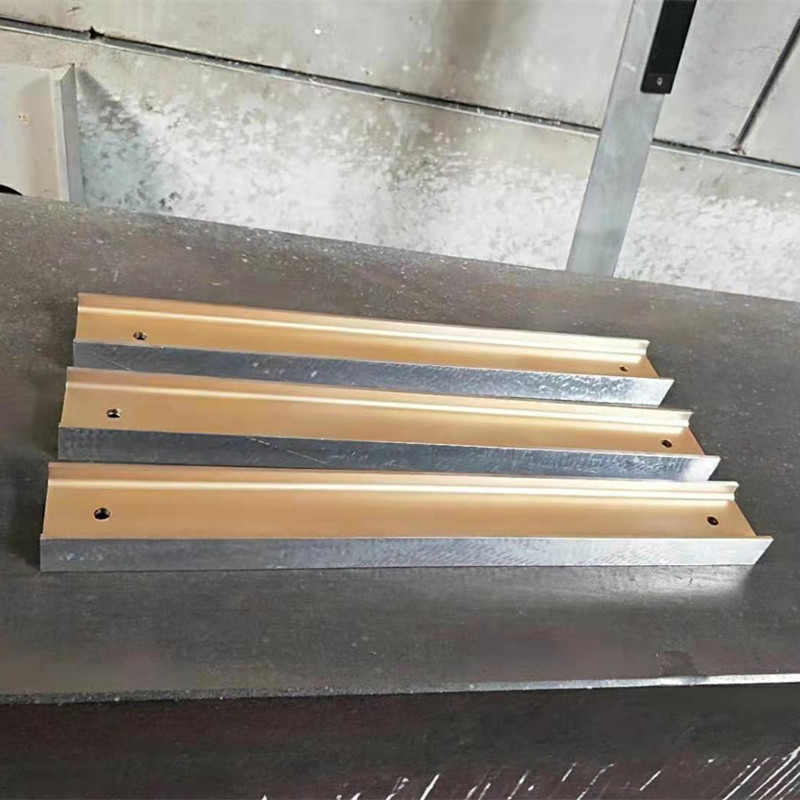
V-Block Technology Revolutionizing Manufacturing Precision and Efficiency
The Paradox of V Block V Block Navigating the Dual Realities of Virtual and Physical Worlds In the
Water Shutoff Valve Operation and Maintenance Guide for Homeowners and Professionals
Understanding Water Valve Shutoff Importance and Procedures Water valve shutoff is a critical compon
 English